Fraud Protection
Tracknow provides several tools to help you prevent fraudulent conversions and lead reports that could result in unfairly inflated commission amounts.
IP Restriction for Postbacks
This tool should only be used if you're sending event data from your website's backend (server-side) and using a static IP address. Enabling IP restriction for other types of integrations may lead to missed conversions and inaccurate tracking
Ensures that event data is accepted only from a specified IP address, blocking unauthorized or fraudulent conversion injections from other sources. This is especially useful when sending postbacks from your server using a static IP address.
Navigate to Campaigns → Locate the relevant campaign → click the three-dot icon under the Actions column → Edit → Tracking tab → Enter the relevant IP address in the Allowed IPs field
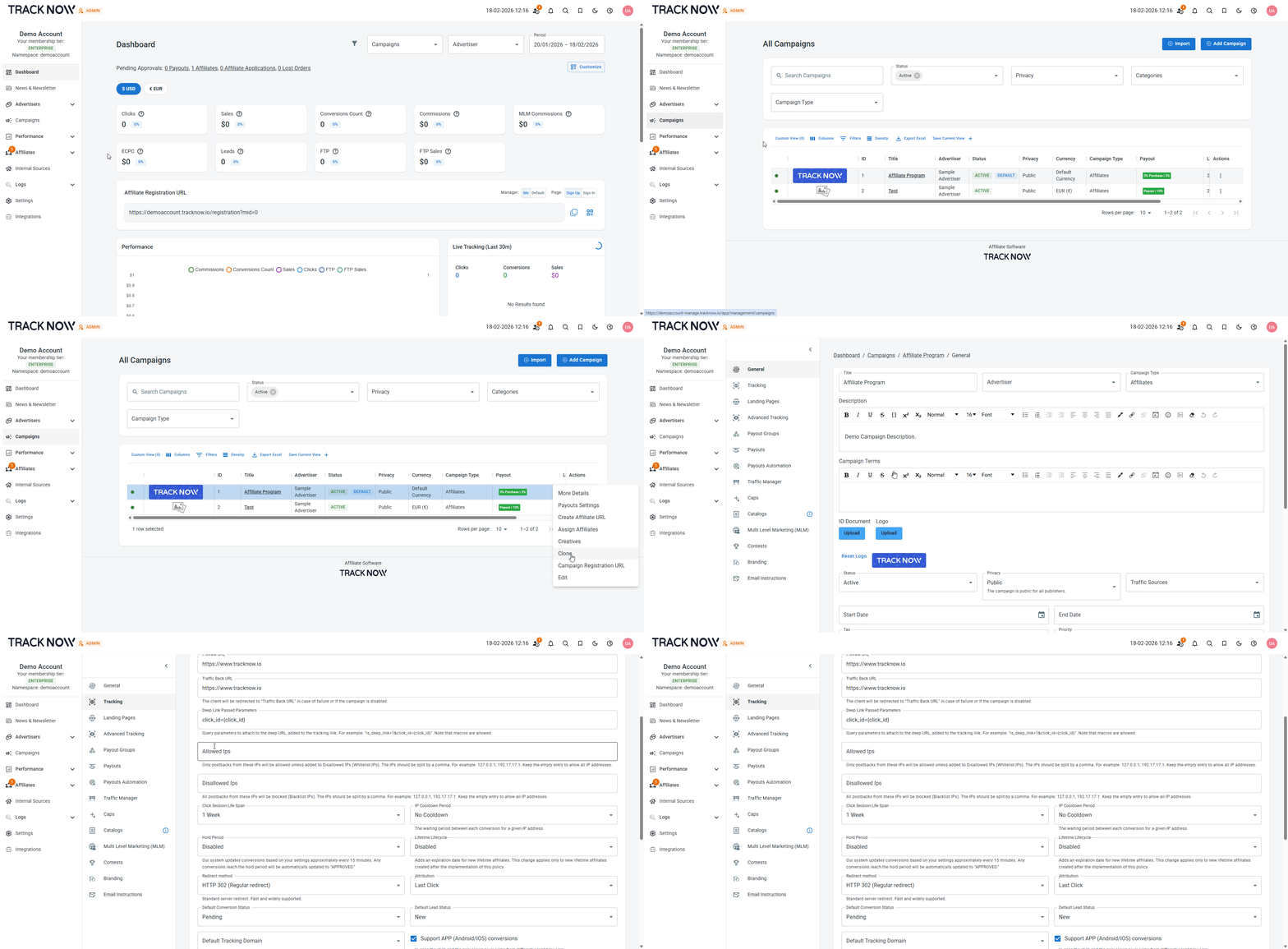
You can also use the Disallowed IPs field to block postback from specific IPs.
Fraud Score
Each conversion on the Conversions screen has a Fraud Score assigned by our system based on various metrics such as:
- VPN Usage
- Proxy Usage
- Time period between the initial click and the postback being sent
- Number of postbacks sent from the same client IP
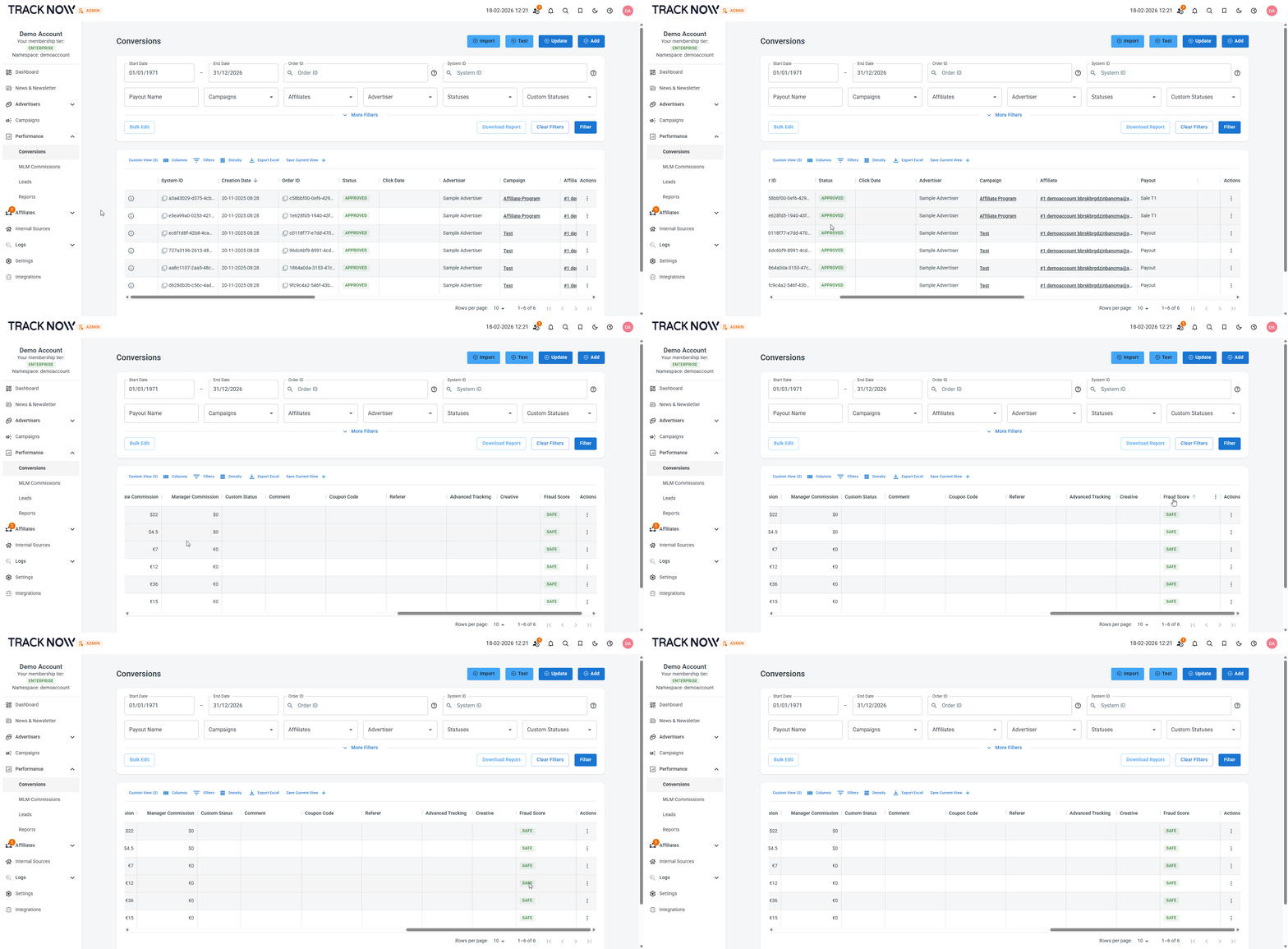
Fraud Score Automation
Conversions can be assigned with one of the following scores:
- Safe
- Low Risk
- Medium Risk
- High Risk
Tracknow allows you to automatically set a conversion's status to Denied or Revision based on the Fraud score.
Denied conversions are shown to the affiliates and the commissions from those conversions will not become available to the affiliate.
Revision Conversions are hidden from the affiliate but shown to the manager , allowing him to review those conversions and decide wether to approve or deny them manually.
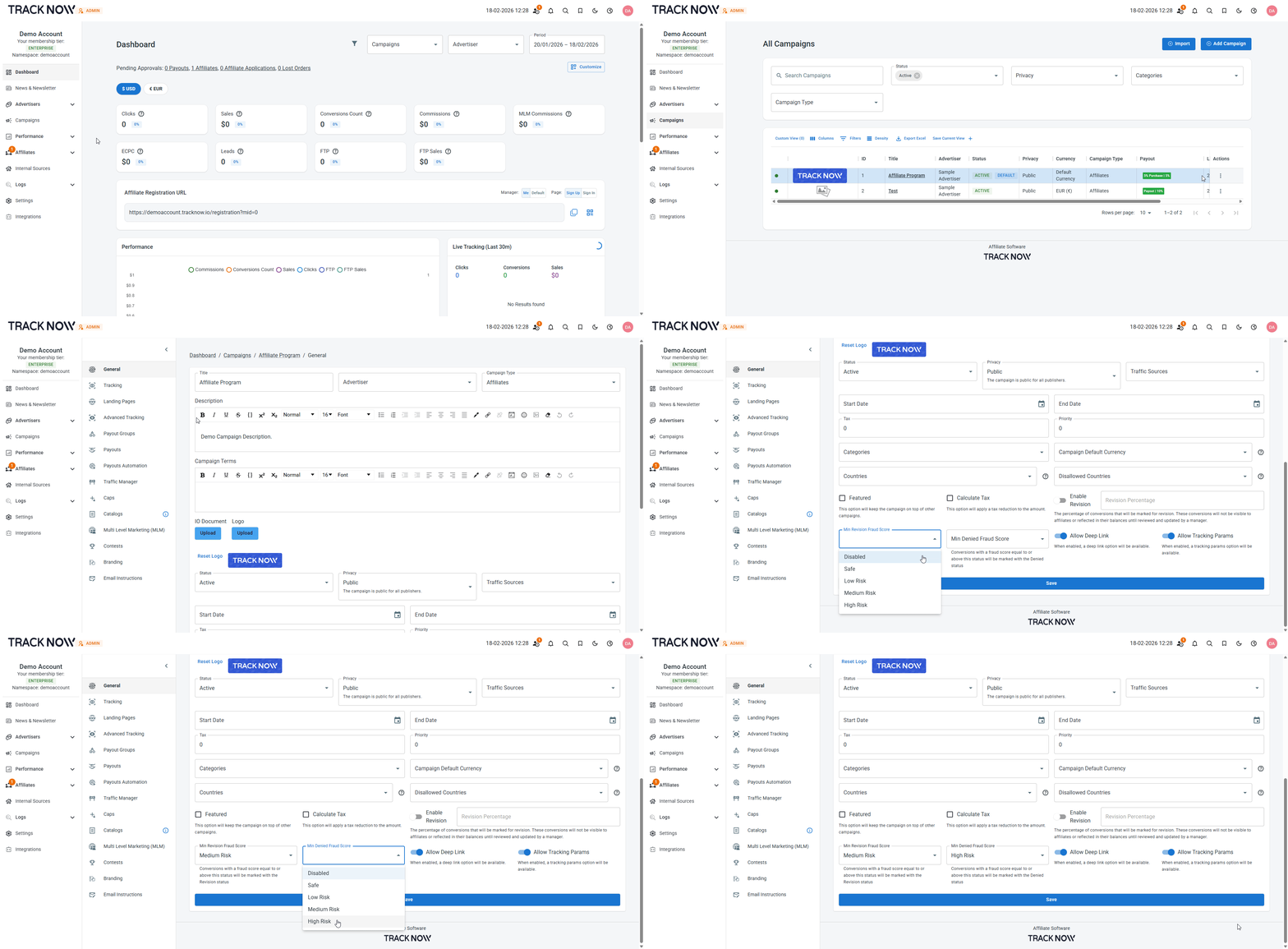
Navigate to Campaigns → Locate the relevant campaign → click the three-dot icon under the Actions column → Edit → General tab
- Select the minimum fraud score from which the revision status will be applied
- Select the minimum fraud score from which the denied status will be applied
- Save
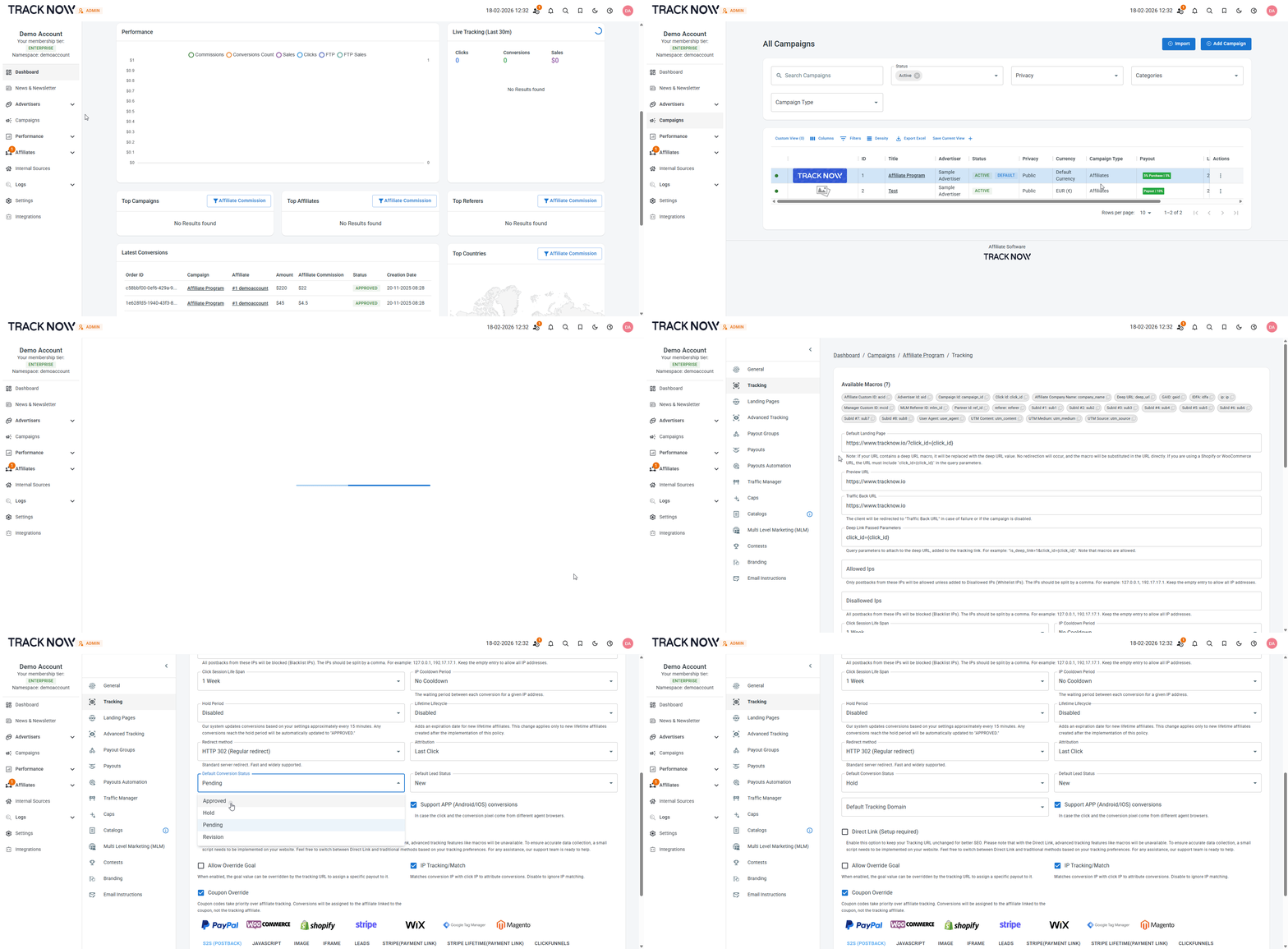
Default Conversion Status
Conversions have several Statuses:
- Approved – Once a conversion is marked as approved, the corresponding commission becomes available for the affiliate to request a payout.
- Hold – A temporary status that keeps the conversion on hold for a predefined time period. If no action is taken during this period, the conversion will be automatically approved once the time expires. (Visible to the affiliate)
- Pending - Commissions for pending conversions are not available yet to the corresponding affiliates, requires manual approval. (Visible to the affiliate)
- Denied - Affiliates will not receive commissions for denied conversions.
- Revision - Commissions for conversions under revision are not available to the corresponding affiliates, requires manual approval. (Conversions are not visible to the affiliate)
- Test - A status for conversions that were made as tests - commissions will not be available for the affiliate. (Visible to the affiliate)
You can select what would be the default status applied to new conversions.
Navigate to Campaigns → Locate the relevant campaign → click the three-dot icon under the Actions column → Edit → Tracking tab → Select the Default Conversion Status → Save